

If you want straighter teeth without the look of metal brackets and wires, clear aligners like Invisalign are likely top of mind.
If you are wondering does Invisalign work, the answer depends largely on your specific orthodontic needs and how consistently you follow the treatment plan. Clear aligners can effectively address many common alignment concerns, but more complex cases may require a different approach. An orthodontic evaluation can help determine whether Invisalign is suitable for your teeth and provide realistic expectations about the results and treatment timeline.
The short answer is yes, Invisalign works extremely well for the vast majority of people. However, understanding how it works will help you decide if it is right for you.
How Invisalign Works
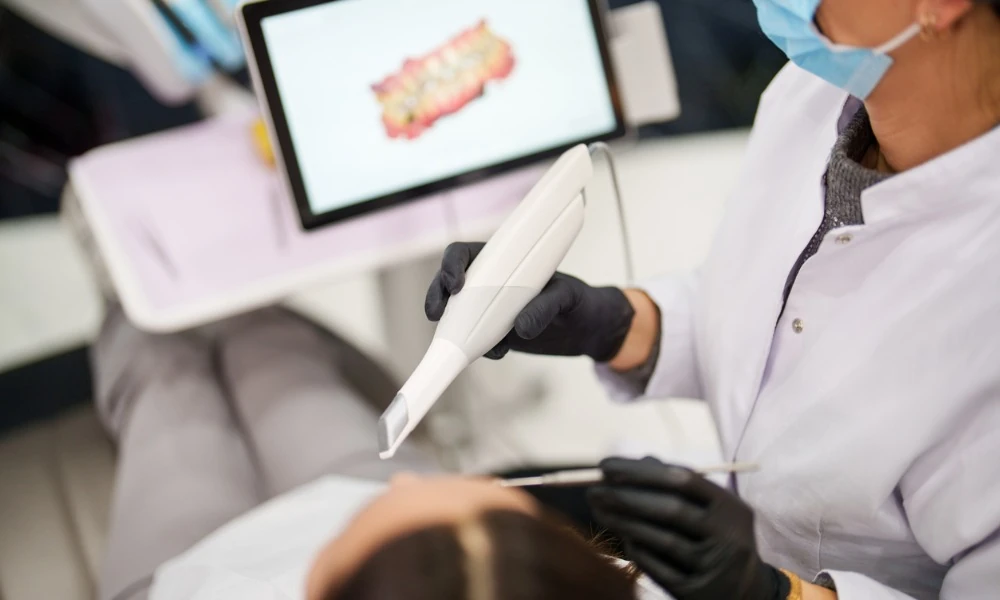
Unlike traditional braces that stay bonded to your teeth, Invisalign uses custom-fit plastic trays crafted from 3D scans of your mouth.
You wear each set of aligners for about one to two weeks before switching to the next set in the series. Every tray applies gentle pressure to specific teeth, gradually guiding them into position. To help the trays grip, tiny tooth-colored attachments are applied to a few of your teeth.
The Big Benefits of Clear Aligners
- Nearly Invisible: The clear plastic makes the trays hard for others to spot, which is a major plus for adults and teens conscious about their appearance.
- Removable for Meals: You take the aligners out when eating or drinking anything other than plain water. This means no dietary restrictions.
- Easier Brushing and Flossing: With aligners, you pop them out, brush and floss normally, and pop them back in, keeping your teeth and gums much cleaner.
- Fewer Emergency Visits: Without sharp metal brackets to cut your cheeks or loose wires poking your gums, Invisalign is generally more comfortable and causes fewer unexpected office visits.
Limitations to Keep in Mind
- Requires High Self-Discipline: Aligners only work if you wear them for 20 to 22 hours every single day, removing them only to eat, drink, and clean your teeth. Leaving them out too long stalls your progress.
- Complex Orthodontic Issues: For severe jaw misalignments, extreme tooth rotations, or large gaps, traditional metal or ceramic braces still offer the precise force needed to achieve the best result.
- Risk of Loss: Because you take them out to eat, it is easy to wrap aligners in a napkin and accidentally throw them away at lunch.
What to Expect During Treatment
- Initial Scan and Plan: Your provider takes a quick digital 3D scan of your teeth. A preview shows how your smile will progress from start to finish.
- Mild Pressure and Tenderness: Every time you switch to a new tray set, you will feel a firm pressure for a day or two. This is normal and means the teeth are moving.
- Speech Adjustments: You might notice a slight lisp for the first couple of days as your tongue adjusts to the plastic, but this disappears quickly.
- Regular Check-Ins: You will visit your dentist regularly so they can check your progress and give you the next batch of aligner.
- Retainers Afterward: Just like with traditional braces, you must wear clear retainers at night after finishing your treatment to maintain your new smile.
The Bottom Line
Invisalign is an effective, discreet alternative to traditional braces for correcting mild to moderate crowding, gaps, and bite issues. Schedule a consultation with an experienced orthodontist to see if clear aligners fit your smile goals.
