

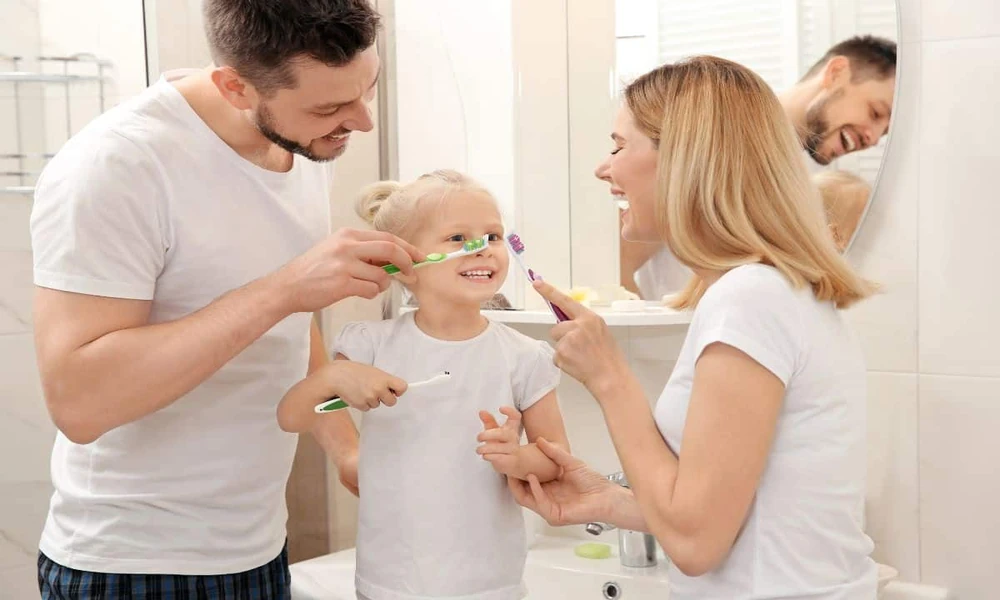
You might already know the feeling. One child is due for a cleaning, another has been complaining about tooth sensitivity, and you keep meaning to book your own checkup, but life keeps getting in the way. Dental care often gets pushed aside until something hurts, and by then, the stress feels heavier than it should. That is why many families start looking for a simpler way to stay on track. Family dentist accepting new patients in Charlottetown.
A family dental wellness program can help take some of that pressure off. In plain terms, it creates a more predictable path for routine care, which often means fewer surprises, better prevention, and a stronger long term relationship with your general and family dentist. If you have been wondering whether a membership style plan or preventive care program is worth it, the short answer is yes, especially when your goal is to protect both your family’s health and your budget.
Why does routine family dental care so often fall behind?
Most people do not ignore dental care because they do not care. They fall behind because schedules are packed, costs can feel uncertain, and it is easy to think, “We will handle it next month.” Because of this tension, small issues can quietly turn into larger ones. A missed cleaning can become plaque buildup. A little gum irritation can become a more serious concern. A child’s cavity can grow before anyone notices it.
That is one reason prevention matters so much. The Centers for Disease Control and Prevention shares practical oral health tips for adults that focus on daily care, regular dental visits, and early action. The same is true for younger patients. These oral health tips for children show how early habits and regular checkups can shape lifelong health.
So, where does that leave you? If your household has more than one person needing care, a structured plan can make it easier to stop reacting and start planning.
What are the 3 benefits of a family dental wellness program?
First, it supports prevention instead of crisis care. One of the biggest 3 benefits of enrolling in a family dental wellness program is that it keeps regular visits on the calendar. Cleanings, exams, and screenings are easier to remember when they are already built into a program. That consistency matters. It gives your dentist a chance to spot issues early, when treatment is often simpler and less costly.
Second, it can make costs feel more predictable. For many families, dental expenses are not only about the total amount. They are about uncertainty. When you do not know what a visit may cost, it is easy to delay it. A family oral health membership program often helps reduce that uncertainty by outlining included preventive services and possible discounts on additional treatment. That clarity can help you plan rather than guess.
Third, it creates continuity of care for the whole household. When everyone sees the same family dental program provider, records, habits, and treatment recommendations stay more connected. Your dentist gets to know your family’s history, your child’s development, and your own risk factors. That bigger picture can lead to more thoughtful care over time.
The National Institute of Dental and Craniofacial Research also offers guidance on oral hygiene, reminding families that daily brushing and flossing work best when paired with professional support. Home care matters, but it does not replace regular visits.
How does a dental wellness plan compare to waiting until there is a problem?
Sometimes the choice is not between perfect care and poor care. It is between a plan and no plan. And when there is no plan, dental care often becomes reactive. That is when pain, stress, and cost tend to rise together.
| Approach | What It Often Looks Like | Likely Result |
|---|---|---|
| Wellness program with routine visits | Scheduled cleanings, exams, reminders, and preventive monitoring for the family | Earlier detection, steadier costs, fewer urgent issues |
| Occasional visits only | Appointments happen when time allows or when symptoms appear | Missed warning signs, uneven care, more treatment later |
| Emergency based dental care | Care starts after pain, swelling, or visible damage | Higher stress, less choice, and often higher expense |
Think about a common scenario. A parent skips a checkup because work is busy. A child misses a cleaning during sports season. Months pass. Then one person needs a filling, another needs deeper cleaning, and the easy fix is gone. A preventive dental membership cannot promise that no one will ever need treatment, but it can lower the odds that routine concerns become urgent ones.
What can you do right now to make a family dental plan work?
1. Look at what preventive services are included.
Before enrolling, ask what the program covers. Cleanings, exams, X rays, fluoride, and periodontal screenings are common points to review. The best value usually comes from a plan that supports regular prevention, not just one time savings.
2. Match the program to your family’s real habits.
If your household is busy, choose a setup that makes scheduling easier and encourages follow through. A plan only helps if it fits your actual life. If one child needs closer monitoring or an adult has a history of gum issues, that should shape your decision.
3. Ask your general and family dentist how the program supports long term care.
Do not be afraid to ask practical questions. How are reminders handled? Are there savings on additional treatments? What happens if someone in the family needs extra care during the year? Those details matter because they affect whether the program truly reduces stress.
Could a family dental wellness program make things easier for your household?
For many families, yes. The real benefit is not just financial, though that matters. It is the sense of order that comes from knowing your care is not being left to chance. Dental wellness plan benefits often show up in quieter ways, through fewer last minute worries, steadier routines, and more confidence that your family is staying ahead of problems instead of chasing them.
If you have been putting off appointments or trying to juggle everyone’s dental needs without a clear system, this may be the right time to ask about a family dental wellness program. A good plan can make routine care feel manageable again, and that alone can be a relief.
