

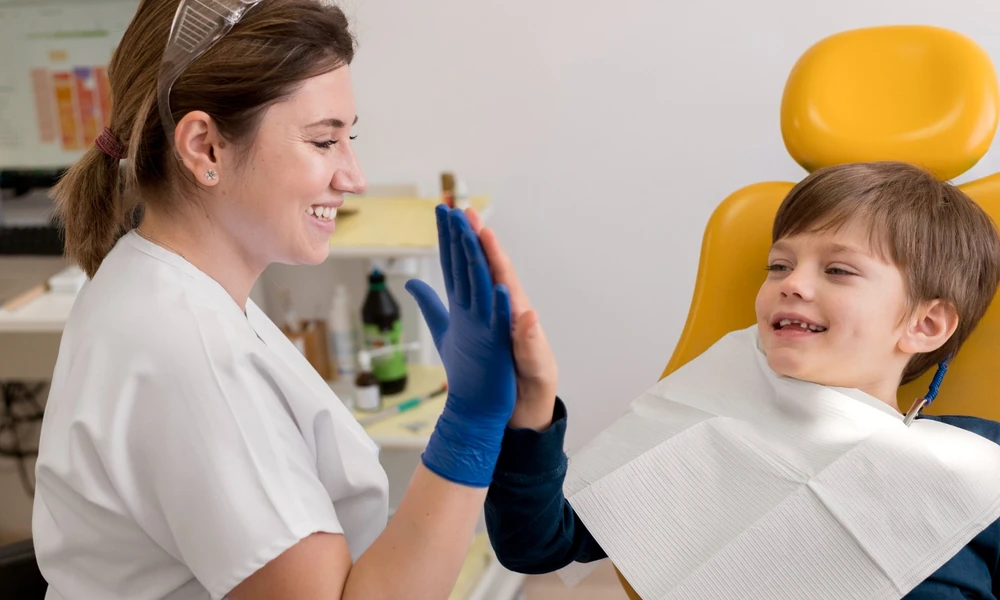
You might be feeling stuck between two hard choices right now. On one side, you know your child needs dental care and you want to find a dentist in Acton, MA who truly understands kids. On the other, every visit seems to end in tears, stomach aches, or a battle just to get them in the car. You may replay the last appointment in your mind, wondering if you pushed too hard or not enough, and you worry about what will happen as their adult teeth come in.end
If that sounds familiar, you are not alone. Dental anxiety in children is common, and it can be intense. The good news is that modern family dentists are trained to support anxious kids in thoughtful, evidence based ways. In simple terms, they focus on three big areas. They guide behavior gently. They use child friendly communication and planning. When needed, they offer safe anxiety relief options like nitrous oxide or deeper sedation.
So where does that leave you right now. It means you do not have to choose between your child’s comfort and their oral health. You can look for a family dentist who understands anxiety and has specific tools to help your child feel safer in the chair.
Why does my child get so anxious at the dentist in the first place?
For many parents, it starts small. Maybe your child cried during a vaccine. Maybe they heard an older sibling talk about a “scary” drill. Then one tough dental visit turned into a pattern. Now, even mentioning an appointment can trigger tears, stomach pain, or sleepless nights.
This anxiety can show up in different ways. Your child might refuse to open their mouth, cling to you and sob, shut down and go silent, or act “wild” in the chair because they feel cornered. You might feel embarrassed or judged, even though none of this is your fault.
Here is the hard part. Avoiding dental visits can feel like the only way to keep the peace. Yet skipped cleanings and exams can lead to cavities, infections, and expensive treatments later. Because of this tension, you might wonder if there is a kinder path that still protects your child’s teeth.
This is where a family dentist who supports anxious children can change the story. Rather than forcing cooperation, they use structured behavior guidance, clear communication, and sometimes sedation options that are backed by pediatric dental research.
How do family dentists use behavior guidance to calm anxious kids?
Family dentists who see children regularly rely on behavior guidance techniques, many of which are outlined by the American Academy of Pediatric Dentistry. These methods focus on helping a child feel safe and understood, not just “under control.” You can read more about these approaches in the AAPD’s guideline on behavior guidance for the pediatric dental patient.
Here are some examples of what this looks like during a visit.
A dentist might use “tell show do.” First, they explain what will happen in simple language. Then they show the mirror or the suction on a finger or stuffed animal. Only then do they perform the step in the child’s mouth. This builds trust and reduces the fear of the unknown.
They might also offer choices where they can. “Do you want the blue toothbrush or the green one.” “Should we count your teeth first or polish first.” These small decisions give your child a sense of control when everything else feels unfamiliar.
For very anxious kids, the dentist might use “desensitization,” which means short, positive visits with no treatment at first. Your child can sit in the chair, ride it up and down, meet the team, and leave on a good note. Over time, the goal is to build up to cleanings and simple treatments without triggering panic.
So, how does this help you. When you know your dentist has a plan to guide behavior kindly, you can stop feeling like you have to manage everything yourself in the room.
How does clear communication and planning ease dental fear?
Another powerful way family dentists help kids with dental anxiety is through careful communication with both you and your child. Anxiety grows in the dark. It shrinks when things feel predictable.
Before a visit, some offices send photos or short videos of the space so your child knows what to expect. Others encourage a “happy visit” where your child can look around and ask questions. You can also talk with the dentist in advance about your child’s triggers. For example, maybe bright lights scare them, or they hate certain sounds.
During the appointment, a child friendly dentist will move at your child’s pace when possible. They might use simple phrases like “sleepy juice” instead of “injection,” and they will avoid any talk that might increase fear. They might agree on a “stop signal,” like raising a hand, so your child knows they can pause at any time.
For you as the parent, clear communication means you understand the treatment plan, the timing, any costs, and what you can do at home to prepare your child. That way, you are not trying to decode everything while also comforting your child in the chair.
When are nitrous oxide or deeper sedation used for anxious children?
Sometimes, even with the best behavior guidance, a child’s anxiety, medical needs, or the complexity of treatment means they need more support. This is where options like nitrous oxide or deeper forms of sedation come in.
Nitrous oxide, often called “laughing gas,” is a mild medicine breathed through a small nose mask. It can help children feel relaxed and less afraid while staying awake and responsive. The AAPD provides detailed guidance on the use of nitrous oxide for pediatric dental patients, including safety steps and monitoring.
For children with extreme anxiety, special needs, or extensive dental work, a dentist might recommend deeper sedation or even general anesthesia in a controlled setting. The AAPD has recommendations on how these services should be provided safely, which you can review in their information on sedation and anesthesia services in dentistry.
So, what does this mean for you. It means you have choices. You do not have to keep forcing your child through traumatic visits, and you also do not have to ignore serious dental problems. A thoughtful family and cosmetic dentist will walk you through when sedation is appropriate, what the risks and benefits are, and how your child will be monitored the entire time.
Comparing common support options for kids with dental anxiety
When you are stressed, it can be hard to sort through all the terms and options. This simple comparison can help you understand what different approaches might feel like for your child.
| Support Option | What It Is | Best For | Pros | Things To Consider |
|---|---|---|---|---|
| Behavior guidance only | Communication, “tell show do,” positive reinforcement, short visits | Mild to moderate anxiety, younger kids, first visits | No medicine needed. Builds long term coping skills. Can be used at every visit. | May not be enough for severe anxiety or complex treatment in one visit. |
| Nitrous oxide | Mild inhaled gas through a nose mask to reduce fear and tension | Moderate anxiety. Kids who can breathe through their nose and follow simple directions. | Quick acting. Wears off fast. Child stays awake. Often lowers gag reflex. | Not ideal for very young children who cannot keep the mask on or for kids with certain medical conditions. |
| Deeper sedation or general anesthesia | Medicine given orally, through a vein, or in a hospital setting | Severe anxiety, special health care needs, or extensive treatment in one visit | Allows needed care when nothing else works. Child is unaware of treatment. | Higher cost. Requires strict safety protocols and trained providers. Usually reserved for specific situations. |
What can you do right now to support your anxious child?
You do not have to solve everything in one day. A few focused steps can make the next visit easier for both you and your child.
1. Choose a dentist who openly talks about children’s anxiety
When you contact an office, ask how they work with anxious kids. Ask if they use behavior guidance techniques, if they offer nitrous oxide, and how they handle a child who is too upset to continue. You are looking for calm, nonjudgmental answers and a clear plan, not blame or “they just need to toughen up.”
2. Prepare your child gently, without overloading them
Use simple, honest words. You might say, “The dentist’s job is to count and clean your teeth and help them stay strong. If anything feels uncomfortable, we will raise your hand and they will stop.” Avoid sharing your own fears, and skip scary details. Short practice sessions at home, like lying back and opening wide, can also help.
3. Plan for comfort and support on the day of the visit
Bring a favorite stuffed animal, blanket, or small toy. Ask the office if your child can listen to music or watch a show during treatment. Plan a calm day around the appointment, with extra time so you are not rushing or stressed. If sedation is recommended, make sure you understand the instructions before and after the visit so you feel confident caring for your child.
Moving toward calmer, kinder dental visits for your child
You are not overreacting by worrying about your child’s fear. Anxiety is real, and it can shape how they feel about dental care for years. The hopeful part is that with the right support, many children learn to feel safe and even proud in the dental chair.
By understanding these 3 ways family dentists support children with anxiety, you are already one step closer to more peaceful visits. You can seek out a dentist who uses behavior guidance, clear communication, and when needed, safe sedation options to protect both your child’s teeth and their emotional well being.
You and your child deserve care that feels respectful and calm. Taking the next small step to find a gentle family dental provider can start to change the story from fear to confidence, one visit at a time.
