

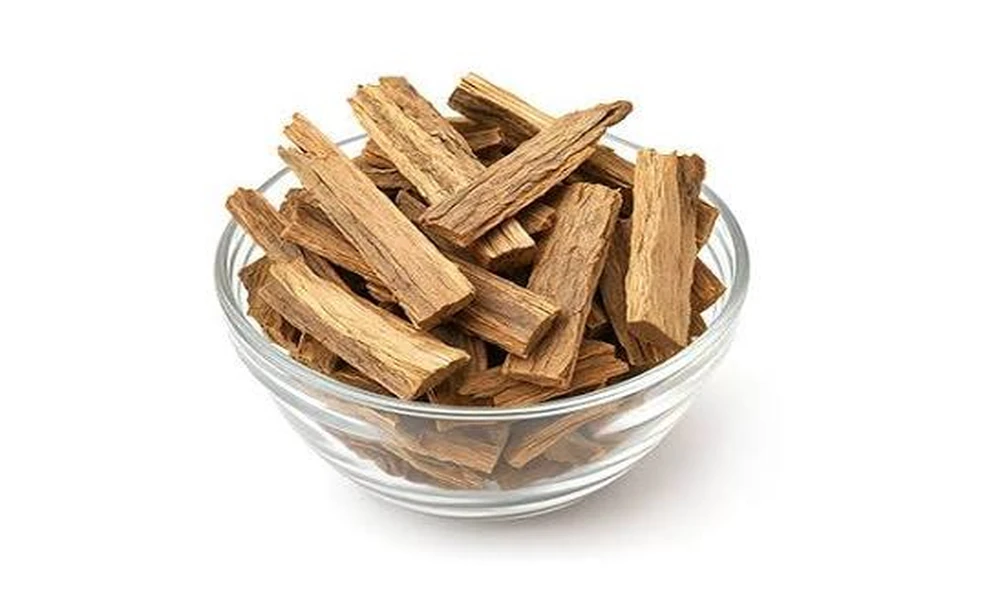
The way a medicinal plant is prepared for consumption matters as much as the plant itself. This is a principle that Ayurvedic pharmacy has understood for thousands of years and that modern pharmacology has confirmed – the extraction method determines which compounds are liberated from the plant matrix, and different preparations therefore produce different therapeutic profiles even from the same raw material. Understanding how to prepare arjuna bark correctly is not a minor detail but a central factor in whether the preparation delivers its intended therapeutic benefit.
Arjuna bark tea – known in Ayurvedic practice as arjuna kwath or arjuna decoction – is the most straightforward preparation and the one with the longest continuous history of use. Making अर्जुन छाल चाय involves simmering one to two teaspoons of arjuna bark powder in approximately two cups of water over low heat until the volume reduces by half. The resulting decoction is strained and consumed warm, typically in the morning before eating. The slightly bitter, mildly astringent taste that characterises a properly made arjuna decoction is itself an indicator of adequate tannin extraction – one of the active compound classes.
The Milk Preparation: Arjuna Ksheerpaka
The classical Ayurvedic text Charaka Samhita specifically recommends a milk-based preparation of arjuna for cardiac conditions – a recommendation that reflects an intuitive understanding of lipid-soluble compound extraction that predates modern understanding of pharmacokinetics by centuries. Arjuna Ksheerpaka is prepared by first simmering the bark powder in water until the water reduces, then adding milk and continuing to simmer until the milk also reduces. The resulting preparation combines water-soluble and fat-soluble active compounds in a single dose.
Modern analysis has confirmed the wisdom of this traditional preparation. Several of arjuna’s most therapeutically significant flavonoids have limited water solubility – they are extracted more completely by fat-containing solvents. Milk’s fat content, modest though it is, significantly improves the extraction of these compounds compared to water alone. For individuals with specific cardiac conditions who are seeking maximum therapeutic effect, the milk preparation is therefore the recommended traditional approach.
How to Use Arjuna Bark: Practical Guidance
Understanding अर्जुन की छाल का उपयोग कैसे करें in a practical context means recognising that the benefits of arjuna accumulate over time rather than appearing immediately. The cardiovascular effects – improved heart muscle function, reduced blood pressure, better lipid profiles – are the result of ongoing biochemical changes that take weeks to months to become clinically measurable. Users who discontinue after a week or two because they notice no immediate dramatic effect are abandoning the preparation before it has had time to work.
The typical recommended course for arjuna supplementation in Ayurvedic practice is a minimum of three months of consistent daily use, with six months to a year being the timeframe over which full benefits are typically observed. This duration aligns with what the clinical research shows – studies that measured outcomes at twelve weeks consistently found greater improvements than those measuring at four or six weeks, suggesting that the therapeutic effect is genuinely time-dependent.
Combining Traditional and Modern Approaches
For individuals managing cardiovascular conditions, the integration of arjuna bark preparations with conventional medical care represents a thoughtful middle path that draws on the strengths of both traditions. Conventional medicine excels at acute intervention, precise monitoring, and managing cardiovascular emergencies. Ayurvedic approaches like arjuna supplementation excel at providing sustainable, long-term support with excellent tolerability and a safety profile that allows for extended use without the progressive side effect accumulation that some pharmaceutical agents produce.
The key to successful integration is transparency with all treating practitioners – both Ayurvedic and conventional – about all preparations being used. This allows for appropriate monitoring of parameters that may be influenced by the combination, particularly blood pressure and, in patients on anticoagulants, coagulation parameters.
