

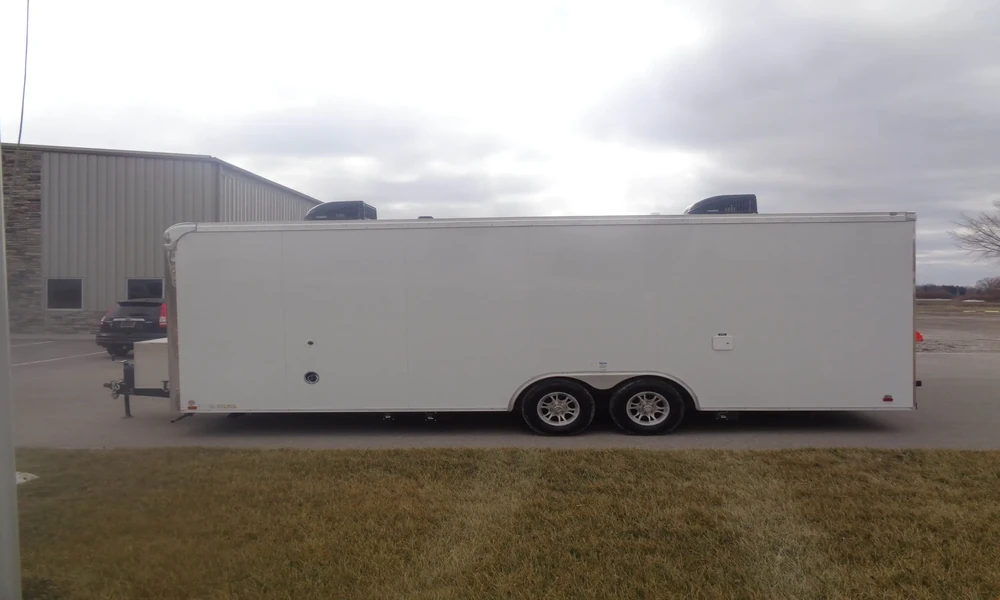
Access to healthcare is essential, but permanent medical facilities are not always available where they are needed most. Medical trailer units provide a practical solution by bringing healthcare services directly to communities, workplaces, schools, and emergency response locations. These mobile units are designed to deliver quality care while offering flexibility in changing environments. Equipped with modern medical facilities and durable construction, medical trailer units help healthcare providers expand their reach and improve patient access without relying solely on fixed buildings.
By bridging the gap between traditional hospitals and remote patient care, Medical Trailer Units offer a highly adaptable infrastructure customized to fit diverse clinical needs. These fully equipped, towable facilities allow medical providers to establish a functional clinical footprint within hours, ensuring that high-standard diagnostic tools, specialized treatment, and primary care remain accessible anywhere a road can reach.
Expanding Access to Healthcare
Medical trailer units allow healthcare professionals to serve locations where permanent clinics may be unavailable or difficult to establish. Rural communities, disaster-affected areas, construction sites, and public events can all benefit from mobile healthcare services.
Providing care closer to patients helps reduce travel time while making essential medical services more accessible.
Supporting a Variety of Medical Services
One of the greatest advantages of medical trailer units is their versatility. Depending on their design, they can support many types of healthcare services while meeting different operational needs.
Common uses include:
- General health consultations
- Preventive health screenings
- Vaccination programs
- Diagnostic services
- Occupational health support
This flexibility allows healthcare organizations to respond to changing community needs efficiently.
Providing a Comfortable Clinical Environment
Modern medical trailer units are designed to create a professional and comfortable environment for both patients and healthcare providers. Efficient interior layouts allow examination rooms, waiting areas, storage, and medical equipment to fit within the available space.
Well-organized interiors improve workflow while helping healthcare teams deliver services more effectively.
Enabling Rapid Deployment
Medical trailer units can be transported to different locations as healthcare demands change. This mobility allows organizations to respond quickly during disease outbreaks, emergency situations, seasonal health programs, or temporary increases in patient demand.
Rapid deployment supports timely medical care where it is needed most.
Improving Operational Efficiency
Mobile healthcare facilities help providers manage patient care without the need for permanent infrastructure. Essential equipment, medical supplies, and workstations are organized to support smooth daily operations.
An efficient workspace enables healthcare professionals to focus on patient care while reducing unnecessary interruptions.
Supporting Emergency Response
During emergencies, healthcare services must often be established quickly. Medical trailer units provide temporary treatment areas that support disaster response, public health emergencies, and recovery operations.
Their ability to operate independently makes them valuable when existing healthcare facilities become overwhelmed or inaccessible.
Built for Durability and Reliability
Medical trailer units are designed to withstand frequent transportation and continuous use. Durable construction protects medical equipment while ensuring the unit remains dependable under varying environmental conditions.
Regular maintenance and quality fabrication further support long-term operational reliability.
Adapting to Future Healthcare Needs
Healthcare requirements continue to evolve with advances in technology and changing patient demands. Medical trailer units can often be modified to accommodate updated medical equipment, additional treatment areas, or new healthcare services.
This adaptability allows healthcare organizations to continue meeting community needs without major infrastructure changes.
