

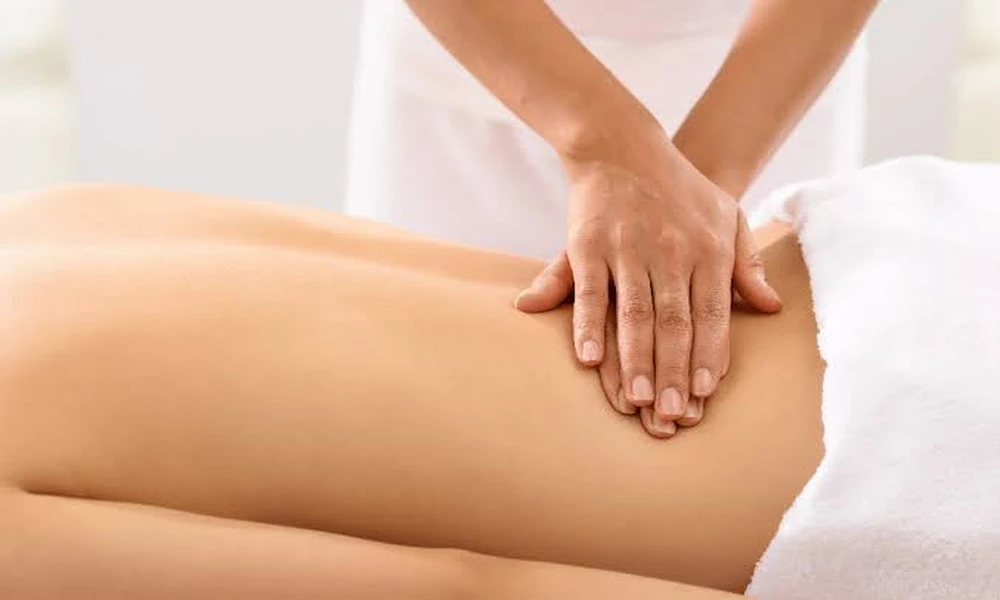
Returning for a relaxation massage can make booking feel easy, but “the usual” still deserves a brief explanation. Preferences, circumstances and the service itself may have changed since the last visit. Keep the comfort of familiarity while confirming what is wanted now. A repeat appointment is a new choice, even when it uses a familiar name and takes place with a provider you know.
The usual describes the past, not this visit
A successful previous appointment can become a shorthand for several different things. The guest may remember the room, the amount of conversation, the pressure, the time of day or the friendliness of the interaction. The provider may remember the booked format. Both can honestly think they understand “the same again” while picturing different details.
Make the important part explicit. “I liked having very little conversation last time” is more precise than asking to repeat the experience. So is “I want the same service, but I would prefer not to include my feet today.” These statements preserve what worked without requiring either person to reconstruct an entire previous visit from memory.
There is no contradiction in changing a preference. Someone who welcomed warmth before may not want it today. Someone who enjoyed talking at the previous appointment may arrive wanting quiet. Explaining the change is useful; defending it at length usually is not. Personal comfort does not have to remain consistent to be legitimate.
Relevant circumstances should also be updated through the provider’s normal process. A returning guest should not assume that previously completed information still describes the present situation. If a new health concern affects the choice, seek suitable professional advice and tell the provider what they need to know. Familiarity is not a substitute for current information.
A long gap makes this especially important. The guest may feel that they are continuing an established routine, while the business has changed its booking system, staffing or menu. Confirm the current arrangement rather than relying on a saved message. Treating an old description as an open-ended promise can create an avoidable disagreement before an otherwise welcome visit.
Make small changes legible to the provider
Feedback is easiest to use when it concerns something observable. Instead of saying the last visit was “not quite right,” name the part you would change: a position, a product sensation, an area of contact or the amount of explanation. If the issue is difficult to describe, say that and ask for help clarifying it before the service begins.
For guests comparing a repeat booking in Kitchener-Waterloo, the current relaxation massage formats at Azure Aqua Spa provide a concrete vocabulary. The menu distinguishes aromatherapy relaxation, scalp and foot, hot stone, and Indian head massage. Referring to the actual format avoids asking the provider to infer a booked service from a remembered sensation or an informal nickname.
That does not mean a guest should switch categories every time something changes. Ask whether the existing format can accommodate the preference or whether a different appointment would make more sense. The provider can explain its own service boundaries. An assumed customization can affect the practical booking, so settle it before arrival when possible.
Keep positive feedback specific as well. Saying that the pace of explanation was useful helps preserve it. Saying that everything was perfect can be warm but less informative, particularly when one small feature was the reason the visit suited you. A returning relationship benefits from knowing which details matter enough to repeat.
During the appointment, avoid the idea that a regular guest should need less communication. If something is uncomfortable, say so. A familiar setting can make it tempting to wait because the provider “usually gets it right.” Prompt, ordinary feedback is more helpful than silently comparing the present experience with a better memory.
A change of provider requires another small adjustment. Useful details can be communicated without asking one person to imitate another exactly. Describe the wanted experience in practical terms and allow the new provider to explain their approach within the chosen service. A clear preference travels better than an instruction to do everything precisely as someone else did.
A brief personal note after the visit can preserve details that are easy to forget. Keep it limited to what would help a future booking: the format selected, a preference that worked, or a question still unanswered. There is no need to score every sensation. A service can be enjoyed without becoming a recurring assessment project.
Keep loyalty separate from an obligation to rebook
Feeling welcome at a business can make it awkward to say that a different date, shorter visit or pause would suit better. Yet appreciation for a provider does not determine the right frequency of leisure spending. Make the next booking from current interest and circumstances rather than from the desire to demonstrate loyalty.
A standing pattern may be convenient when it is wanted. It becomes less useful when appointments survive only because nobody has reconsidered them. If a future booking is proposed, look at the real calendar and budget before agreeing. Ask for the applicable change or cancellation conditions, then make a choice that can be kept without resentment.
The same applies to a package or several visits purchased together. Understand what is included and whether the arrangement suits an already desired pattern. A lower apparent cost per appointment does not automatically make more appointments worthwhile. The value depends on wanting and being able to use them under the actual terms.
There is also no requirement to explain every reason for taking a break. “I am not ready to choose another date” communicates the practical fact. A guest can return later, try another leisure activity or decide that their priorities have shifted. None of those choices invalidates the pleasant visits that came before.
A familiar massage relationship is most useful when it leaves room for honest updates. Keep the parts you value, name the changes that matter and allow the next appointment to be different when necessary. Being a regular should make communication easier, including the ordinary sentence that today you want something else.
